
English| EUR
Suggested for you
More currencies
Choose a language
La Jolla Cove's snorkeling conditions shift with tide, swell, and plankton bloom—what looked calm at 9 a.m. may be a churning whitewater zone by noon. This guide decodes the variables that determine whether you'll see leopard sharks gliding over sand or spend your swim tumbling in surge.
Quick answer
Snorkeling La Jolla Cove conditions are best from late spring through early fall, with peak underwater visibility of 15 to 30 feet occurring between June and September. Early morning entries between 7:00 and 10:00 typically offer the calmest water and clearest visibility before afternoon winds and tidal currents stir up sediment. Winter swells and kelp die-off reduce visibility to 5 to 10 feet and create hazardous surge near the rocky entry points.
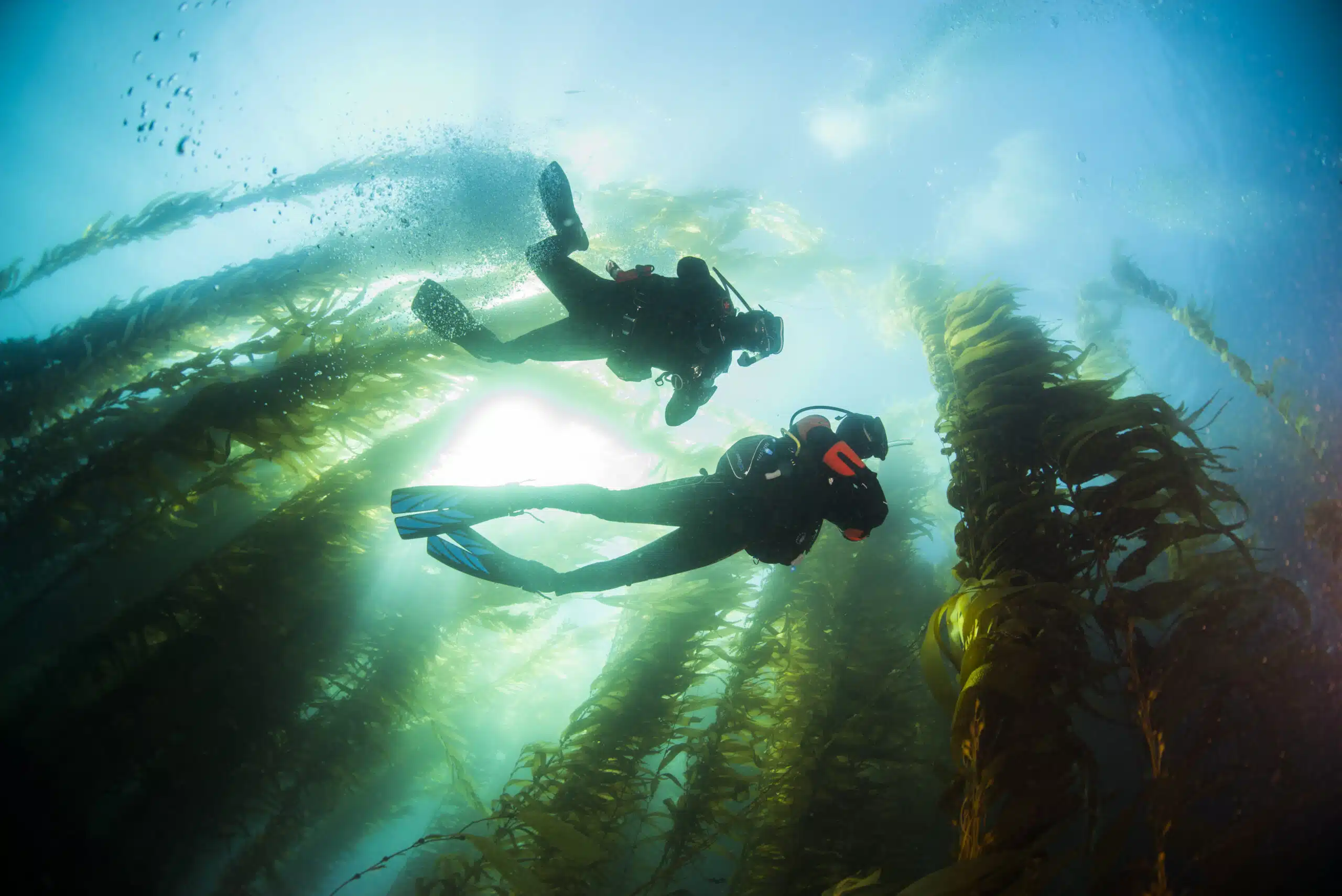
La Jolla Cove sits in a natural amphitheater where cold upwelling from the Scripps Canyon collides with warm surface currents, creating a nutrient engine that feeds one of California's densest kelp forests and a year-round parade of garibaldi, bat rays, and harbor seals. That biological richness comes with trade-offs: plankton blooms cloud the water column, seasonal storms tear kelp loose and scatter it across the sand channel, and the same rocky walls that shelter the Cove from prevailing winds also funnel surge into unpredictable hydraulic pulses. Snorkeling La Jolla Cove conditions depend on three variables that rarely align perfectly. Swell direction matters more than swell height—a south swell wraps into the Cove and amplifies against the cliffs, while a northwest swell dissipates offshore. Tidal exchange controls visibility: slack tide at high water leaves sediment suspended, while outgoing tide flushes particles seaward and sharpens the water column. Seasonal thermoclines layer the Cove in summer, trapping warmer surface water above the kelp canopy and stabilizing clarity, but winter mixing homogenizes temperature and stirs bottom sediment into the mid-water zone. September through November offers the most stable window. Summer crowds thin, water temperature holds near 65°F, and the kelp canopy reaches maximum density before winter pruning begins. Visibility consistently reaches 20 feet or better during this shoulder season, and seal pups born in May are now confident swimmers weaving through the rocks. Morning entries remain critical—by midday, coastal eddies push warmer turbid water into the Cove from La Jolla Shores, and recreational boat traffic from the launch ramp stirs particulate matter that settles overnight. Winter storms between December and March reduce underwater visibility to single digits and create unpredictable surge that pins snorkelers against barnacle-covered boulders. The Cove remains accessible—no seasonal closures exist—but rough water conditions make entry and exit through the rocky shelf dangerous even for experienced ocean swimmers. Spring brings variable conditions as the kelp forest regenerates and plankton blooms cloud inshore waters until the thermocline re-establishes in late May.
“The same rocky walls that shelter the Cove from prevailing winds also funnel surge into unpredictable hydraulic pulses.”
La Jolla Cove is accessible for snorkeling every day of the week. While the area remains open 24 hours a day, water conditions and visibility fluctuate based on the time of day and tidal activity.
La Jolla Cove is located at 1100 Coast Blvd, La Jolla, CA 92037. The most direct approach is via vehicle or local transit connecting to the La Jolla village area.
Follow I-5 to La Jolla Village Drive, proceed west to Torrey Pines Road and Coast Blvd
San Diego MTS Route 30 to La Jolla Blvd & Marine St
From La Jolla Village via Prospect St and Coast Blvd
Parking near the Cove is limited and fills quickly. Adhering to the best arrival window of 07:00–10:00 is essential to secure a space and ensure calm water conditions.
La Jolla Cove sits within a marine protected area where wildlife and habitat rules carry legal weight. Following protocols keeps you safe and preserves the reserve for future snorkelers.
Prepare your gear and check conditions before entering the water at La Jolla Cove.
Everything you need to know about snorkeling la jolla cove conditions
Monitoring snorkeling la Jolla Cove conditions is essential because water visibility and wave action can change rapidly. Check local lifeguard reports and live webcams before heading out to ensure you have a safe experience in the ecological reserve.
The best arrival window is 07:00–10:00, which offers the calmest water and clearest visibility for snorkeling la Jolla Cove conditions. Arriving early also helps you secure parking and avoid the largest crowds of the day.
Yes, the La Jolla marine reserve tour experience depends heavily on sea state and water temperature. While surface conditions may look calm, currents near the sea caves require caution and swimming proficiency.
There is no cost to access the beach or water, as the entrance fee is 0 USD. You are free to explore the shoreline and enter the water at your own leisure throughout the day.
Snorkeling la Jolla Cove conditions are generally family-friendly in the early morning, but adults must remain vigilant. Always stay within the designated swimming areas and keep an eye on younger swimmers due to the rocky entry points and varying tides.
Visitors should pack a towel, sunscreen, and properly fitted fins for exploring the kelp forest. Since this is a protected area, do not touch or remove any marine life, such as the colorful garibaldi or leopard sharks that frequent the area.
Snorkeling with Leopard Sharks in La Jolla Cove
Read more GuideIs It Safe to Snorkel in La Jolla Cove?
Read more GuideHow to Snorkel La Jolla Cove
Read more GuideSnorkeling at La Jolla Cove Underwater Park
Read more Tickets & toursGuided Snorkeling Tours in La Jolla Cove
Read more Tickets & toursSnorkel Gear Rentals in La Jolla Cove
Read more