
English| EUR
Suggested for you
More currencies
Choose a language
La Jolla Cove draws thousands of snorkelers each year to its protected waters and kelp-forest marine life. The short answer involves current strength, sea lion behavior, and surf conditions that shift hour by hour. This guide examines the concrete hazards, seasonal patterns, and preparedness factors that determine whether the Cove is safe on any given day.
Quick answer
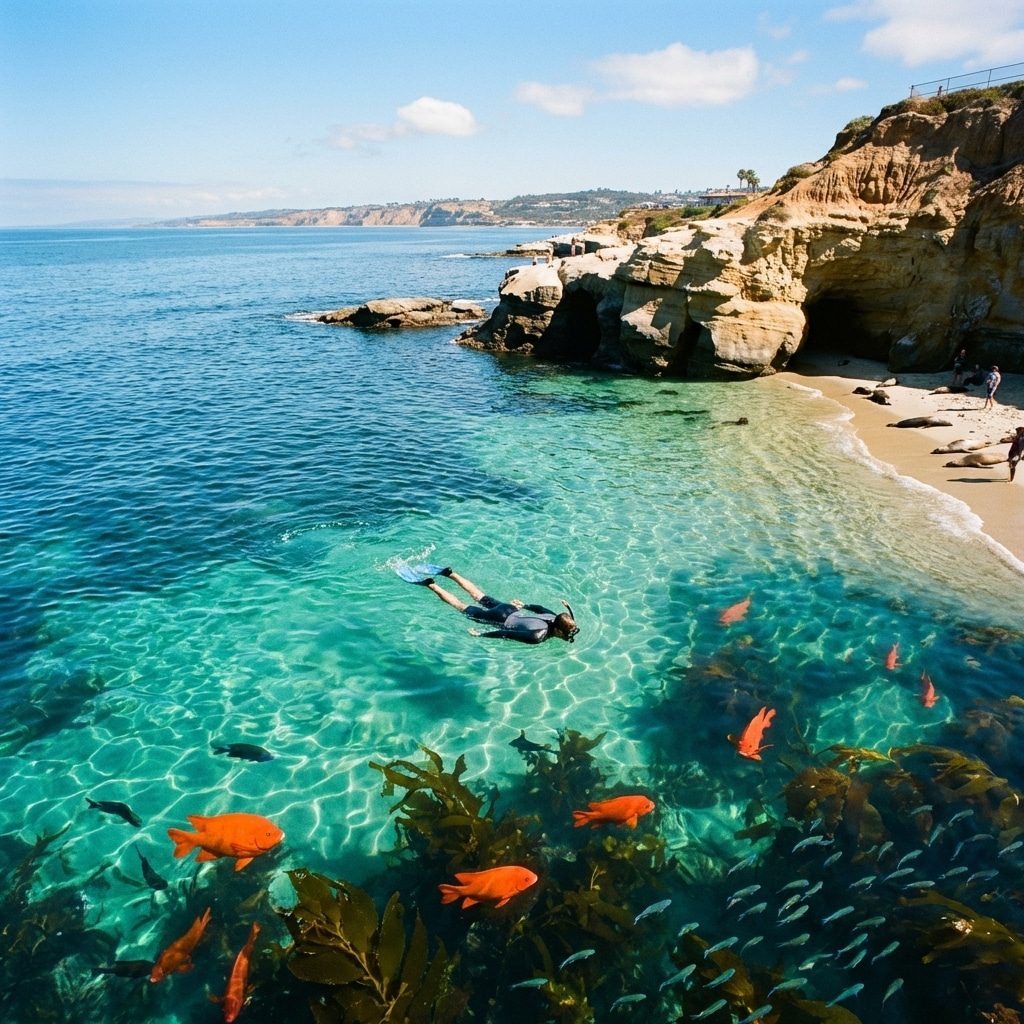
La Jolla Cove is generally safe for snorkeling when conditions are calm, typically early mornings between 7:00 and 9:00 AM before winds pick up. The cove's protected geography shields swimmers from open-ocean swells, and lifeguards patrol the beach daily. However, safety depends entirely on your ability to assess surf reports, recognize rip currents near the point rocks, and maintain distance from California sea lions during pupping season in summer months.
More than 200 California sea lions inhabit the rocks and waters around La Jolla Cove year-round, a population density unmatched at any other mainland snorkeling site in the continental United States. Their presence defines both the appeal and the primary behavioral hazard of snorkeling here. The question of whether is it safe to snorkel in La Jolla Cove hinges on three variables: ocean conditions, marine mammal behavior, and your own swimming competence. The ecological reserve status protects garibaldi, leopard sharks, and bat rays within the kelp beds, creating reliable wildlife encounters in water as shallow as eight feet. That same protection extends to sea lions, which are federally safeguarded and will defend space aggressively if approached. San Diego lifeguards document dozens of sea lion encounters each summer, nearly all involving snorkelers who drift too close to haul-out rocks or nursing females. A bull sea lion weighs 850 pounds and moves faster underwater than any human swimmer. Ocean conditions present the second risk tier. La Jolla Cove safety shifts with Pacific swells, which arrive in pulses throughout autumn and winter. A two-foot swell at the buoy translates to four-foot shore break against the Cove's sandstone cliffs, conditions that trap novice swimmers against rocks and create surge near the entry steps. Rip currents form along the eastern point when tides push through the narrow channel toward the open kelp beds. Lifeguards close the water when swells exceed three feet or when winds generate whitecaps across the bay. Visibility drops to ten feet during plankton blooms in late spring, though the water remains navigable for confident swimmers. The Marine Protected Area designation prohibits fishing and anchoring, which keeps boat traffic minimal inside the Cove boundaries. Harbor seals occupy the children's pool breakwater 400 yards south, a separate colony that rarely swims into the main snorkeling zone. Wetsuit thickness matters: water temperatures range from 57°F in February to 68°F in September, cold enough to trigger hypothermia in swimmers who stay submerged beyond 40 minutes without thermal protection. Local dive shops report that most safety incidents involve visitors unfamiliar with cold-water physiology who underestimate how quickly core temperature drops in a 3mm wetsuit.
“A bull sea lion weighs 850 pounds and moves faster underwater than any human swimmer.”
The best arrival window is 07:00–09:00, as this period offers lighter winds, calmer surface conditions, and better water visibility for snorkeling. Arriving early provides the most stable aquatic environment before afternoon winds increase.
70°F to 75°F water
Warmest water temperatures occur from August through October. Visibility is often clearest during these months.
58°F to 64°F water
Water is colder, requiring thick wetsuits. Morning conditions remain the safest for calm water entry.
—
Fewer visitors allow for easier access to the water. Calmest surface conditions are consistently found before midday.
Verdict: The optimal time for snorkeling is weekday mornings between 07:00–09:00 during the months of August through October.
La Jolla Cove is a protected marine reserve where human behavior directly impacts wildlife health and safety. Following distance and interaction rules keeps both snorkelers and marine life secure.
La Jolla Cove remains accessible to the public throughout the week. The area is open 24 hours a day to facilitate recreational use of the beach and park.
La Jolla Cove is located at 1100 Coast Blvd, La Jolla, CA 92037. The most direct approach is by vehicle or local bus service to the immediate vicinity of the coastline.
Follow I-5 to La Jolla Village Drive, proceed west to Torrey Pines Road, then follow signs for La Jolla Village to Coast Blvd
San Diego Metropolitan Transit System (MTS) Route 30 to La Jolla Blvd and Prospect St
Walk from the La Jolla Village transit stops down Prospect Street toward the ocean front
Parking in the immediate vicinity is limited and fills quickly. To reach the water, visitors must navigate 2 steps to access the beach and park area.
La Jolla Cove snorkeling requires proper equipment and awareness of ocean conditions to stay safe.
Everything you need to know about is it safe to snorkel in la jolla cove
Generally, it is safe to snorkel in La Jolla Cove if you stay within designated areas and monitor ocean conditions. The cove is part of a protected marine reserve, offering calm waters that are ideal for viewing garibaldi and leopard sharks. Always check local surf reports before entering the water.
Yes, the area is patrolled by San Diego lifeguards who monitor the beach and surrounding water for swimmer safety. They provide essential updates on current conditions and maintain a constant presence throughout the day. You should always heed their warnings regarding tides or marine activity.
The best arrival window is 07:00–09:00, when you will encounter lighter winds and better water visibility. Planning your visit during these morning hours typically results in calmer surface conditions for a more enjoyable experience. This is widely considered the optimal time for snorkeling in the La Jolla underwater park.
While the area is popular, it is safe to snorkel in La Jolla Cove with children provided they are strong swimmers and wear appropriate flotation gear. Parents should remain vigilant at all times, as the rocky entrance requires careful navigation. Ensure your children stay close to the shore where the surf is gentle.
The primary hazards include rocky entry points, fluctuating currents, and occasional jellyfish. Avoiding contact with marine life and respecting the underwater environment helps minimize risks to both swimmers and the ecosystem. Proper footwear is recommended to navigate the rocky seafloor safely.
It remains safe to snorkel in La Jolla Cove during the autumn months as water temperatures stay relatively mild. You should still prioritize entering the water during the morning hours for the best visibility. Monitoring local weather patterns is essential for any ocean-based activity during this season.
There is no cost for public access, as there is 0 USD (Free entry) to the beach and park area. You do not need to purchase a ticket to explore this San Diego landmark. Simply arrive at the designated address to access the shoreline.
Beginners can enjoy the experience by sticking to the shallow, sheltered sections near the beach. It is safe to snorkel in La Jolla Cove for those new to the activity if they remain aware of their surroundings and avoid venturing too far offshore. Consider joining a guided tour to gain familiarity with the local marine sanctuary.
La Jolla Cove Snorkeling Conditions
Read more GuideSnorkeling with Leopard Sharks in La Jolla Cove
Read more GuideHow to Snorkel La Jolla Cove
Read more GuideSnorkeling at La Jolla Cove Underwater Park
Read more Tickets & toursGuided Snorkeling Tours in La Jolla Cove
Read more Tickets & toursSnorkel Gear Rentals in La Jolla Cove
Read more