English| EUR
Suggested for you
More currencies
Choose a language
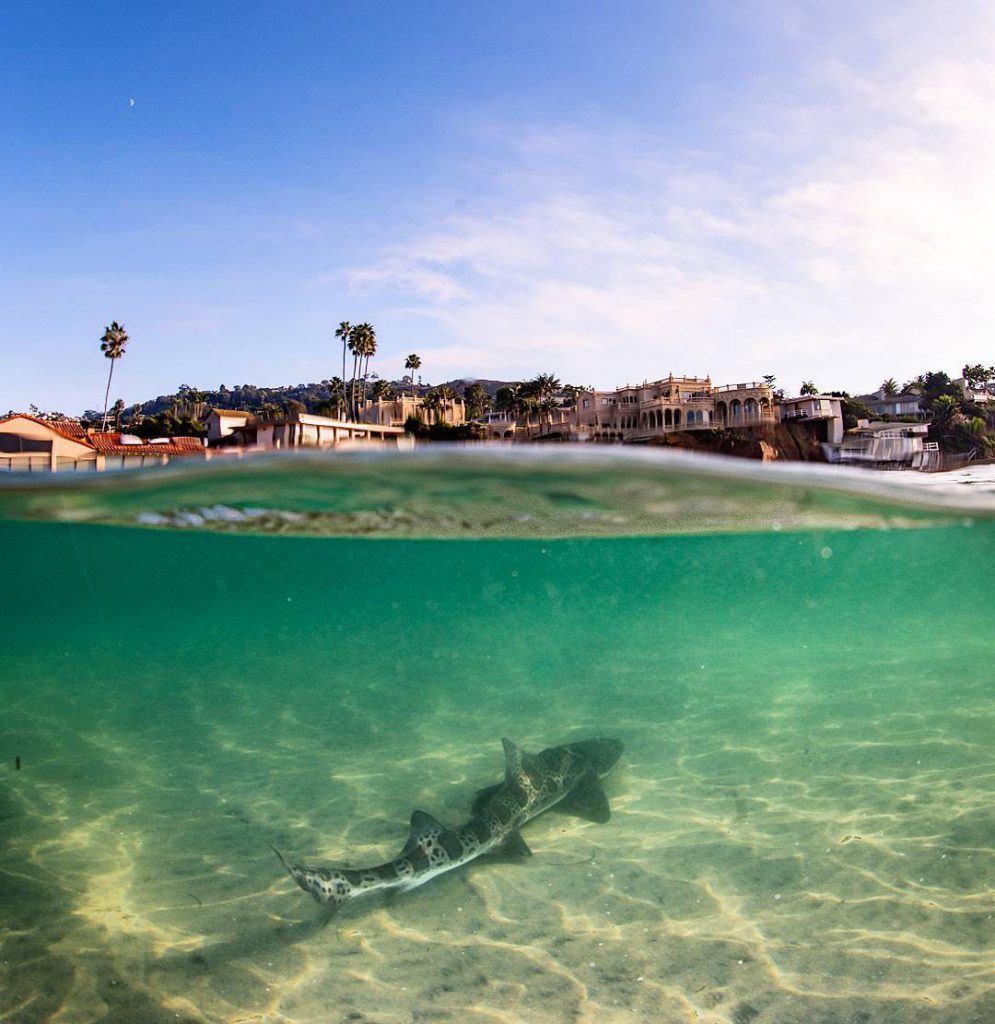
Between late spring and early autumn, hundreds of leopard sharks migrate into the shallow waters off La Jolla Shores and the Cove, creating one of Southern California's most reliable wildlife snorkeling experiences. The aggregation peaks from June through September, when pregnant females gather in the warm, sandy shallows.
Quick answer
Leopard sharks congregate in La Jolla's nearshore waters from June through September, with July and August offering the highest densities. Most sharks remain in 3 to 8 feet of water over sandy bottom between La Jolla Shores and the Marine Room, though individuals are occasionally spotted near the Cove's rocky edges. Calm mornings between 7:00 and 10:00 provide the clearest visibility and calmest surface conditions for observation.
Leopard sharks return to La Jolla each summer not by chance but by biology: the warm, shallow water accelerates embryo development in pregnant females, and the sandy substrate offers protection from larger predators. The pattern has held for decades, tracked by researchers at Scripps Institution of Oceanography who tag and monitor the population. Snorkeling in La Jolla Cove leopard sharks requires understanding their behavior. These rays—more closely related to skates than true sharks—rest motionless on the bottom for long periods, then glide slowly along the sand in search of clams, worms, and small crustaceans. They ignore swimmers. Encounters happen in chest-deep water where the ocean floor is visible from the surface, making mask and fins sufficient for most visitors. The sharks tolerate close proximity but retreat if cornered or touched. Water clarity dictates success. June often brings lingering spring plankton blooms that reduce visibility to arm's length. By mid-July the water clears, and by August the shallows warm into the low 70s Fahrenheit, extending comfortable snorkel time without a wetsuit. Morning outings before 10:00 avoid afternoon winds that stir up sand and flatten visibility back down. The leopard shark aggregation occurs along the beach north of the Cove proper, though individuals sometimes drift into the Cove's kelp-fringed margins. Current ocean conditions change daily. Lifeguards at the main tower post flags for surf, rip currents, and marine life activity. On flat days with offshore winds, snorkelers report seeing a dozen sharks in a single swim. On rough days with poor visibility, the same route yields none. The sharks remain present throughout the season regardless of surface conditions—they simply become invisible when sediment suspends in the water column. Planning a morning session during a Santa Ana wind event or after several calm days maximizes the likelihood of clear sightlines and relaxed ocean behavior.
“The sharks tolerate close proximity but retreat if cornered or touched.”
The peak season for observing leopard sharks in La Jolla Cove occurs during late summer and early fall, specifically from August through September. To optimize your experience, adhere to the best arrival window of 07:00–10:00 to capitalize on calmer waters and superior visibility.
Warm water 68-72°F
Water temperatures reach their annual high, drawing large aggregations of leopard sharks to the shallows.
Cooling water 65-69°F
Sharks remain active as the water temperature begins a gradual decline.
—
Visitor volume is significantly reduced compared to weekends, offering a quieter environment for snorkeling.
—
Increasing coastal winds often reduce underwater visibility and contribute to higher crowd levels on the beach.
Verdict: The most favorable period to snorkel is weekday mornings during August or September.
La Jolla Cove is accessible to the public every day of the week. Access is available around the clock to accommodate visitors.
La Jolla Cove is a public beach and marine protected area, meaning there are no entrance fees for visitors. Access to the beach and the water for snorkeling is free of charge for everyone.
Verdict: A typical adult pays 0 USD for entrance, as access to this public area is free.
La Jolla Cove is located at 1100 Coast Blvd, La Jolla, CA 92037. The most direct approach is by car via Interstate 5, taking the La Jolla Village Drive or Ardath Road exits toward the coastline.
Interstate 5 to La Jolla Village Drive exit
San Diego Metropolitan Transit System Route 30
Direct service to 1100 Coast Blvd
Parking in the immediate vicinity is limited to street parking and fills quickly. Arriving during the best arrival window of 07:00–10:00 is recommended to secure a spot and enjoy calmer water conditions.
Understanding the biology and behavior of leopard sharks helps visitors observe these animals safely and responsibly in their natural environment.
The leopard shark is a species of houndshark in the family Triakidae, characterized by its distinctive dark saddle-like markings and spots.
Despite their size, which can reach up to five feet, leopard sharks are timid and typically flee when approached by swimmers or snorkelers.
These sharks spend most of their time near the sandy seafloor, using their mouths to suction small prey from the sediment.
They primarily consume crabs, clam siphons, shrimp, fish eggs, and small bony fish found in shallow coastal waters.
Leopard sharks give birth to live young that hatch from eggs inside the mother, with litters ranging from 7 to 33 pups.
Their pattern of dark spots and saddles provides effective camouflage against the shifting light and shadows of the sandy seafloor and rocky reefs.
La Jolla Cove is a protected marine reserve with strict guidelines to safeguard leopard sharks and their habitat. Following these rules protects both wildlife and your safety.
Pack light but smart — the cove provides the scenery, you bring the essentials.
Everything you need to know about snorkeling in la jolla cove leopard sharks
Leopard sharks are docile and generally harmless to swimmers, making snorkeling in la jolla cove leopard sharks a popular activity. They are shy creatures that tend to avoid human contact unless provoked or fed.
The best arrival window is 07:00–10:00 to enjoy calmer waters and higher visibility. This timeframe helps you avoid the larger afternoon crowds and gusty winds that can disturb the surface.
Yes, these sharks are frequently spotted in the shallow sandy flats during late summer and early autumn. They gather here in large numbers, providing excellent opportunities for underwater wildlife observation.
No permits are required for individual entry, and there is a 0 USD entrance fee to the cove and beach. You are free to enter the water at your own risk during the designated hours.
You should bring standard snorkeling gear, such as a mask, snorkel, and fins. Many visitors also opt for a wetsuit to stay comfortable in the marine reserve temperatures.
There are no age restrictions for snorkeling, though children should be supervised by adults at all times. Always maintain a respectful distance from all marine life in the ecological preserve.
La Jolla Cove Snorkeling Conditions
Read more GuideIs It Safe to Snorkel in La Jolla Cove?
Read more GuideHow to Snorkel La Jolla Cove
Read more GuideSnorkeling at La Jolla Cove Underwater Park
Read more Tickets & toursGuided Snorkeling Tours in La Jolla Cove
Read more Tickets & toursSnorkel Gear Rentals in La Jolla Cove
Read more